

From Tasks to Experiences: What AI-Powered Super Apps Are Really About
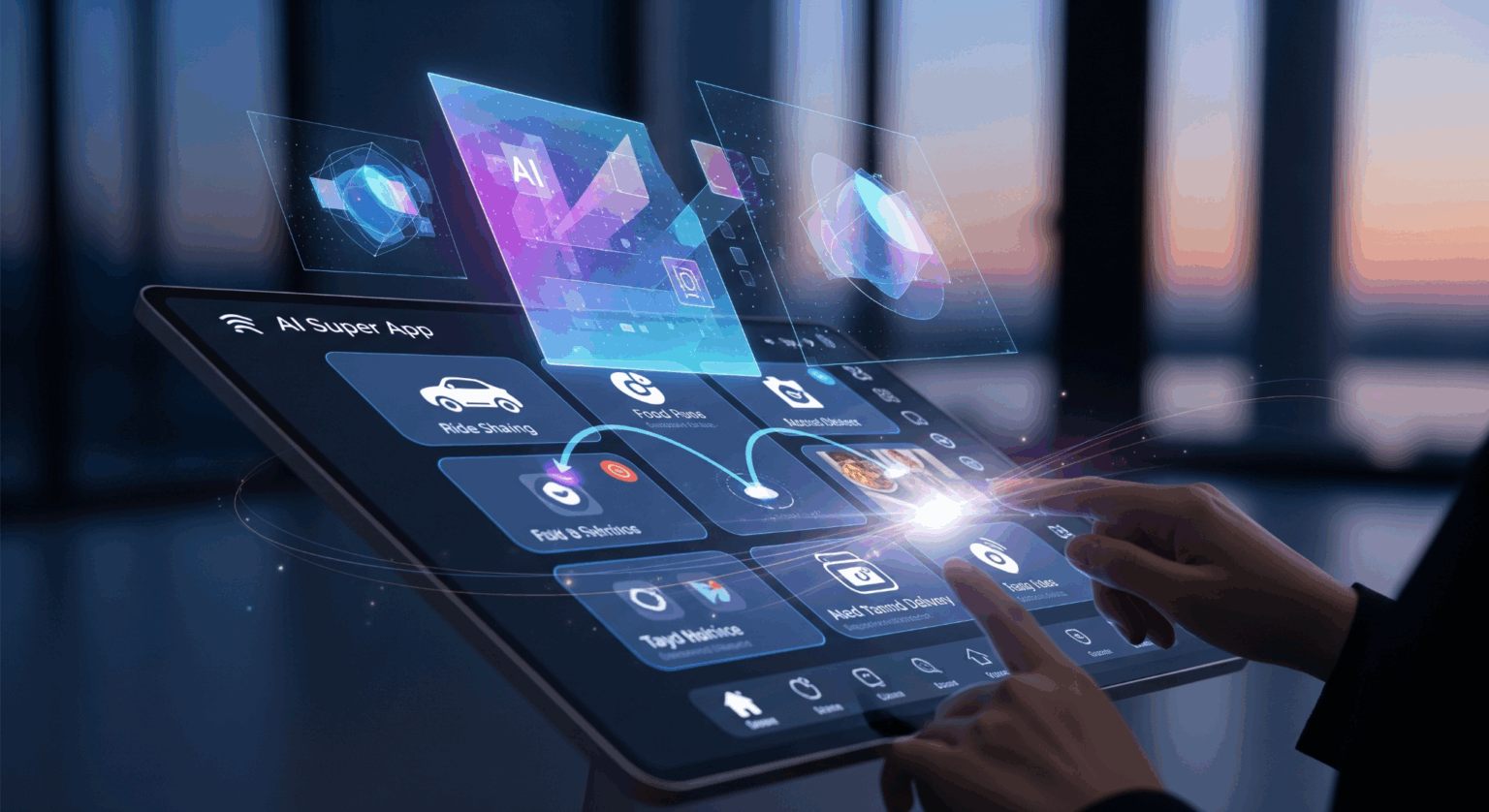
The term “super app” has been used to describe everything from WeChat in China to Grab in Southeast Asia. But as the concept arrives in the UAE market, it’s worth asking: what does a super app really need to deliver to earn that label?
Beyond Feature Aggregation: The simplest version of a super app is just a collection of different services bundled into one interface. Many platforms have attempted this — creating digital shopping malls where users can technically access many services but still feel like they’re switching between separate experiences.
The truly transformative super apps go further. They don’t just aggregate features — they create integrated experiences where each service makes the others more valuable. They learn from your interactions across categories and use that knowledge to improve every touchpoint.
From Completing Tasks to Enhancing Experiences: The evolution of super apps can be understood as a journey from utility to experience. In the first generation, super apps were about efficiency — doing tasks faster. In the second generation, they’re about transformation — changing the quality of everyday life.
An AI-powered lifestyle app doesn’t just book your cleaning appointment faster. It notices when your home might need attention before you do, suggests the right timing based on your schedule, manages the booking without your input, and integrates this into your broader home management routine.
What Makes Eazy Life Different: Eazy Life is building a second-generation super app from the ground up. zAIn isn’t layered on top of a task-completion platform — it’s the intelligence core that makes every service more valuable through personalization and anticipation.
The goal isn’t to help users complete tasks more efficiently. The goal is to free users from the burden of task management entirely — so they can focus on the experiences that make life meaningful.