

The Hidden Struggles of UAE Merchants: How App Platforms Are Costing You More Than You Gain
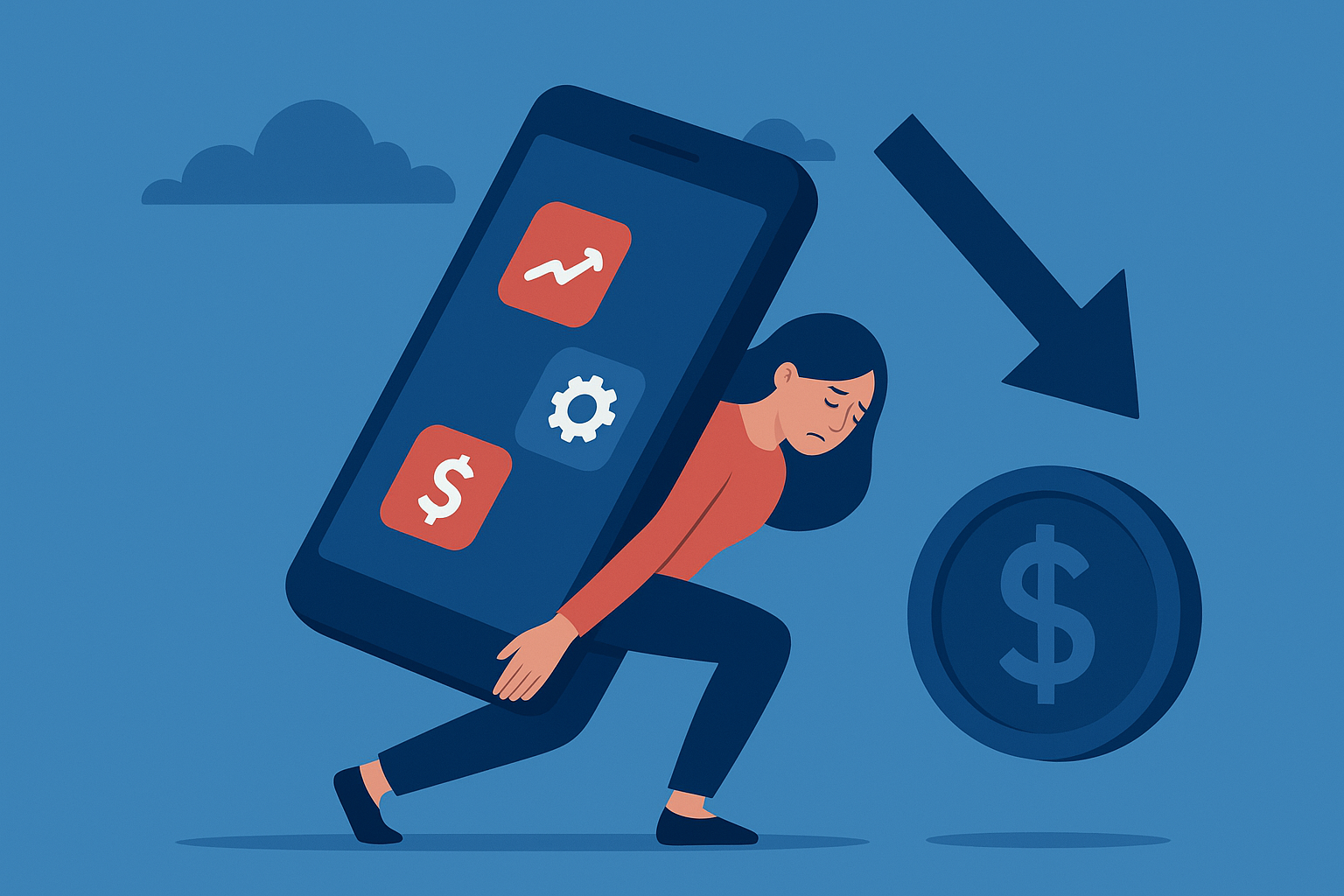
For many UAE merchants, joining major delivery and service platforms felt like a natural growth move. More visibility, more orders, more customers — the promise was compelling. But the reality for many businesses has been more complicated than the pitch suggested.
The Commission Problem: Most major platforms charge merchants commissions ranging from 20% to 35% on every order. For businesses operating on thin margins — especially in food, grocery, and home services — these fees can quickly erase profitability. What looks like increased revenue on the surface often translates to reduced margins or even losses when all costs are accounted for.
The Visibility Trap: Platforms that charge high commissions often use visibility and promotion as additional revenue streams. Merchants who don’t pay for featured placement find themselves buried beneath competitors who can afford to spend more on promotion. This creates a cycle where merchants must continuously spend to maintain visibility that should come naturally from being on the platform.
Customer Ownership Issues: When a customer orders from a merchant through a third-party platform, the platform owns the customer relationship. Merchants lose access to customer data, can’t directly communicate with buyers, and have limited ability to build the loyalty relationships that sustain long-term business success.
The Eazy Life Alternative: Eazy Life offers a different model for merchant partners. Lower commission structures that preserve merchant margins, shared customer insights that help businesses understand their audience, direct communication channels between merchants and customers, and integration of merchant offerings with zAIn’s AI-powered recommendations that drive organic discovery.
For UAE merchants who feel trapped in expensive platform relationships that aren’t delivering the value they promised, Eazy Life represents a meaningful alternative — one that’s built around sustainable partnership rather than extraction.